Regulatory
Framework
Comprehensive oversight of Naturally Occurring Radioactive Materials (NORM). This section details the technical specifications, exposure limits, and procedural mandates required for industrial compliance and personnel safety.

Status: Active Framework
Current as of Q4 2026. All guidelines reflect the latest federal and provincial mandates for hazardous material handling.
In 2000, Canada reformed its nuclear regulatory framework, replacing the Atomic Energy Control Board (AECB) with the Canadian Nuclear Safety Commission (CNSC) under the Nuclear Safety and Control Act (NSCA). This transition marked a significant shift in jurisdictional oversight. The new act explicitly exempted NORM from CNSC regulations unless the materials were associated with the nuclear fuel cycle or crossed international borders.
As a result, the primary responsibility for regulating NORM transferred to the provincial and territorial governments. These jurisdictions govern NORM through an intersection of Environmental Protection, Occupational Health and Safety (OH&S), and Transportation of Dangerous Goods acts and regulations.
Core OH&S Requirements
Mandatory compliance framework for industrial NORM management.

Exposure Control Plan
Formal implementation of operational risks and facility-specific protocols.
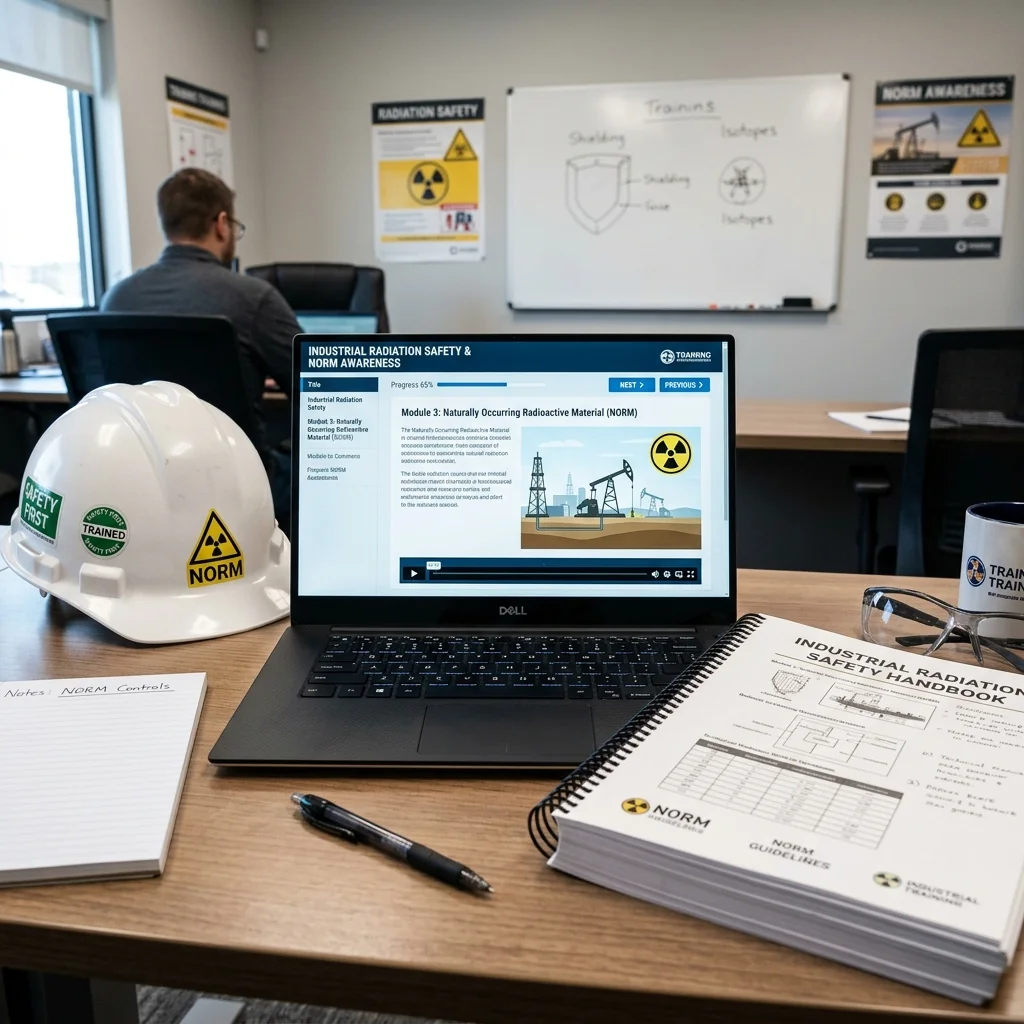
Worker Advising
Communication of external radiation hazards and internal contamination risks.
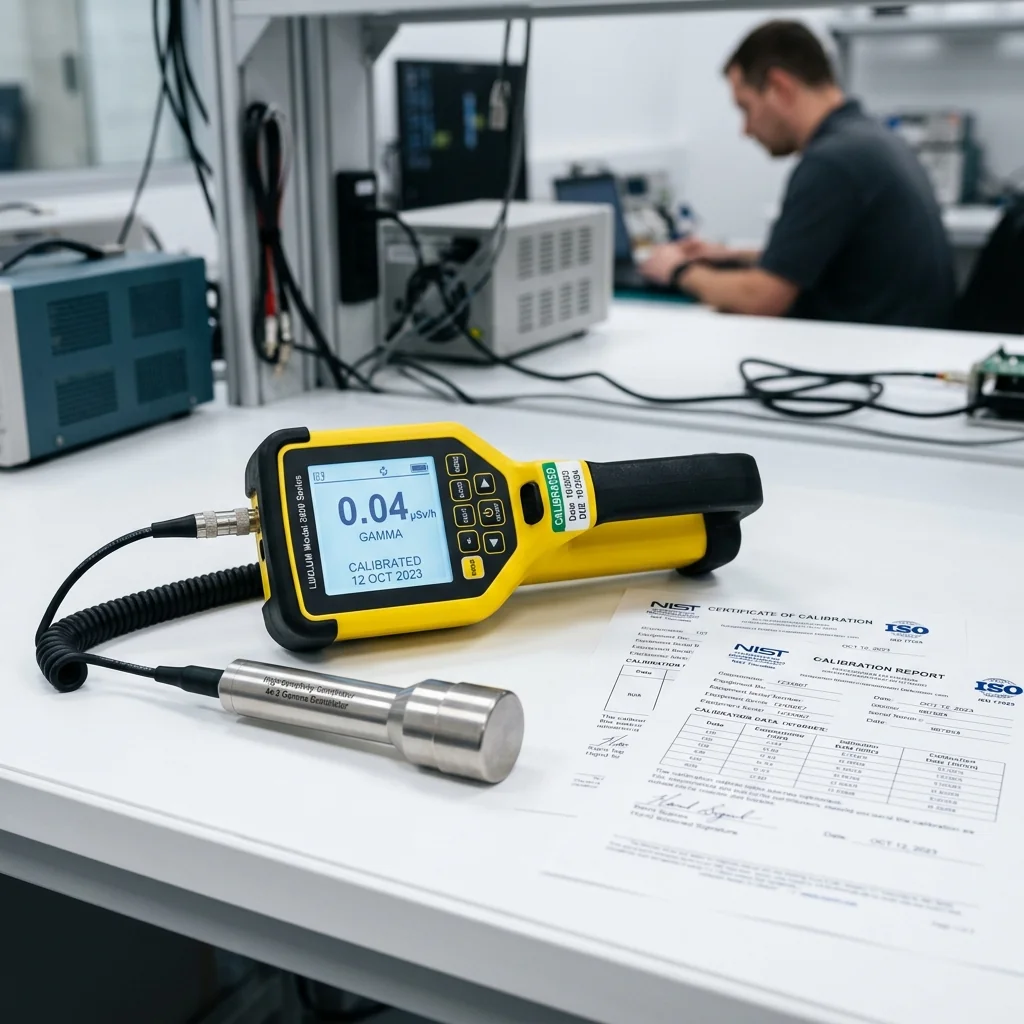
Monitoring & Records
Continuous assessment of exposure levels and maintenance of compliant documentation.

ALARA Maintenance
Optimization of workplace controls to ensure levels are as low as reasonably achievable.
ALARA
As Low As Reasonably Achievable
Radiation is universally classified as a chronic exposure hazard, meaning risk is cumulative over time. Consequently, regulations mandate that exposure levels must not only remain below statutory limits but must be actively minimized.
The ALARA principle dictates that employers must reduce exposure to the lowest level practically possible, taking into account current technology, economics, and social factors. Implementing ALARA requires continuous assessment and optimization of workplace controls.
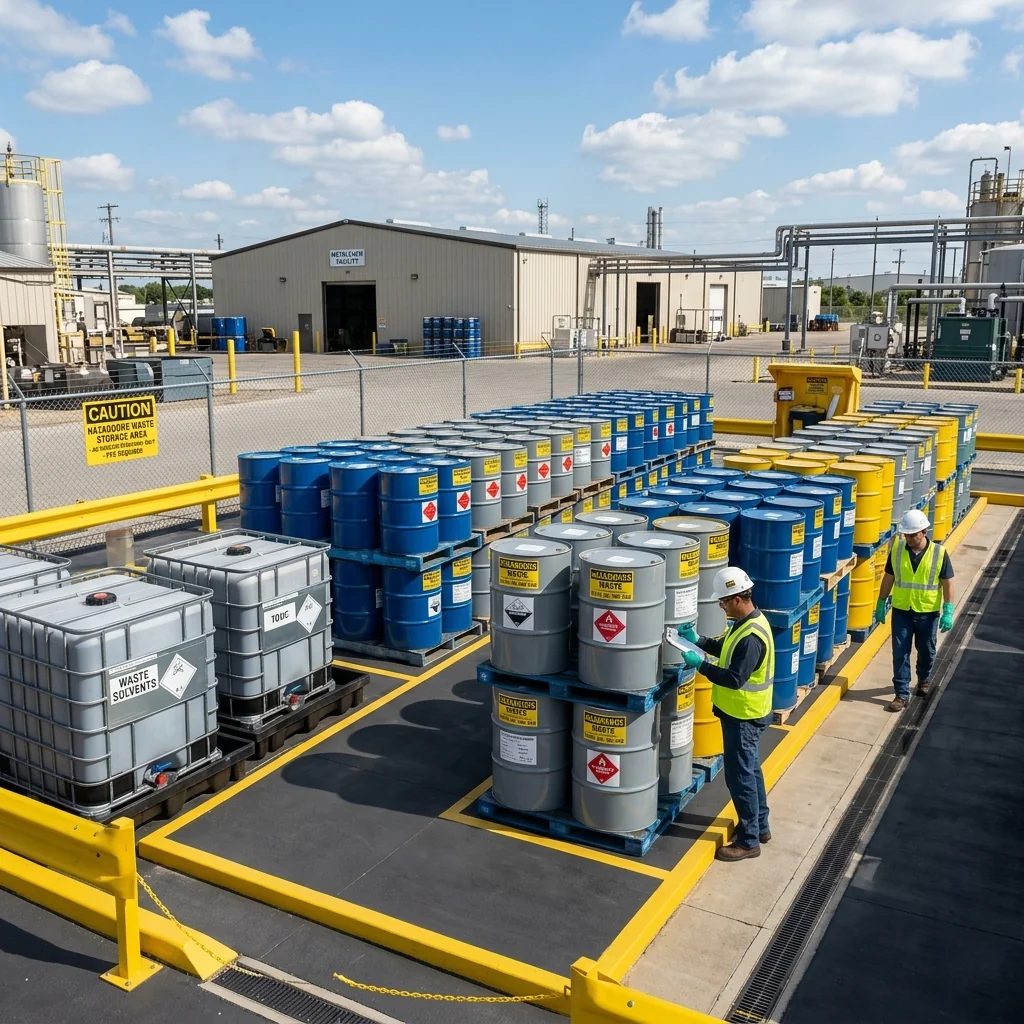
Waste Control Regulations
Once NORM materials are removed from their point of generation (e.g., extracted from process equipment), they are legally classified as waste. The management, transport, and disposal of NORM waste are strictly governed by provincial environmental regulations.
Jurisdictions mandate that both the facility receiving the waste for disposal and the service provider executing the disposal must hold specific, formal approvals from the provincial regulator. Unregulated or improper disposal constitutes a severe regulatory violation.