How implementing Normtek's advanced sensor array increased overall plant efficiency by 14% while reducing hazardous exposure incidents to zero over a 12-month period.
The Shift to Continuous Monitoring
Historically, exposure assessments relied on point-in-time sampling, a methodology fraught with latency. The current outlook prioritizes continuous, ubiquitous sensing environments. By deploying interconnected sensor arrays across critical facility nodes, organizations can achieve granular visibility into ambient radiation levels, facilitating predictive mitigation rather than reactive containment.
This transition mandates a robust digital infrastructure. Data integrity must be maintained from the sensor edge to the centralized analytics hub, ensuring that automated shutdown protocols are triggered with absolute precision when predefined thresholds are breached.
“The margin for error in radiological containment is zero. Our systems must operate with an engineered certainty that anticipates failure modes before they manifest physically.”
Containment Architecture
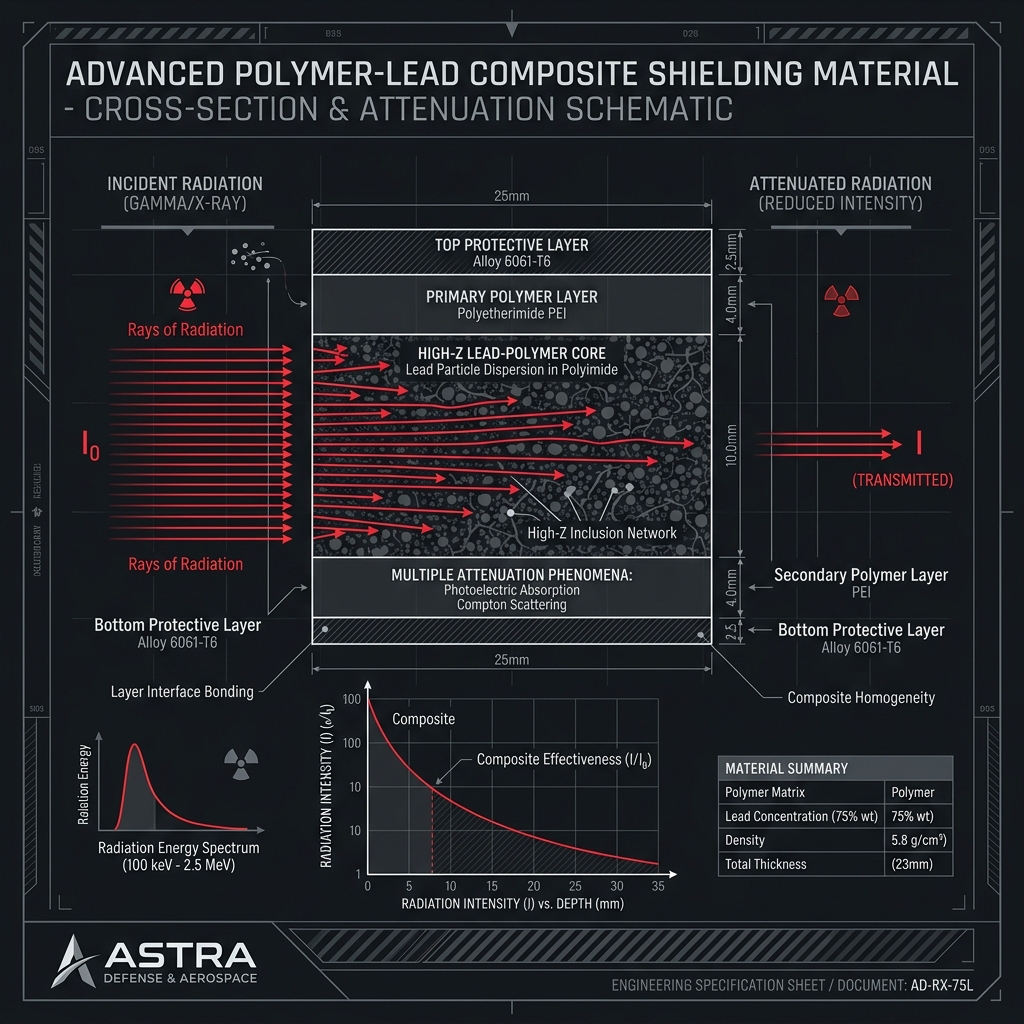
Physical containment strategies are evolving alongside digital monitoring. The utilization of high-density polymers interlaid with traditional lead shielding offers superior attenuation profiles while reducing the overall structural mass. This composite approach is particularly relevant in dynamic environments where equipment mobility is a requisite.
Technical Specifications: Matrix Analysis
The following matrix delineates the performance metrics of the new containment standards evaluated against legacy baselines under stress-test conditions.
| Parameter | Legacy Baseline | Current Standard | Variance |
|---|---|---|---|
| Attenuation Factor (Gamma) | 0.85 μ | 0.98 μ | +15.2% |
| Mass Density (g/cm³) | 11.34 | 8.45 | -25.5% |
| Thermal Stability Range | -20°C to 150°C | -40°C to 280°C | Expanded |
| Sensor Latency | 450ms | 12ms | -97.3% |
Implementation of these standards requires a methodical phased rollout. Facilities are advised to prioritize high-risk zones, implementing continuous monitoring systems before executing physical containment upgrades.
Dr. Aris Thorne
Lead Systems Engineer
Dr. Aris Thorneoversees the integration of automated safety protocols across Normtek's network. With deep experience in high-risk industrial environments, their methodologies inform Normtek's radiation protection and NORM management frameworks.