Precision On-site
Radiation Analysis.
NormTek employs numerous monitoring methods, instruments and survey techniques to complete documented assessments in accordance with Canada's radiation protection principles and practices. These assessments verify compliance with NORM regulations and provide the information necessary for worker protection.

Calibration Status
check_circleISO 17025 Verified
Core Methodologies
Our field protocols are engineered for zero-interference execution, utilizing calibrated detection hardware to identify specific isotopic signatures. Only certified radiation safety personnel complete these surveys.
Gamma Radiation Screening Surveys
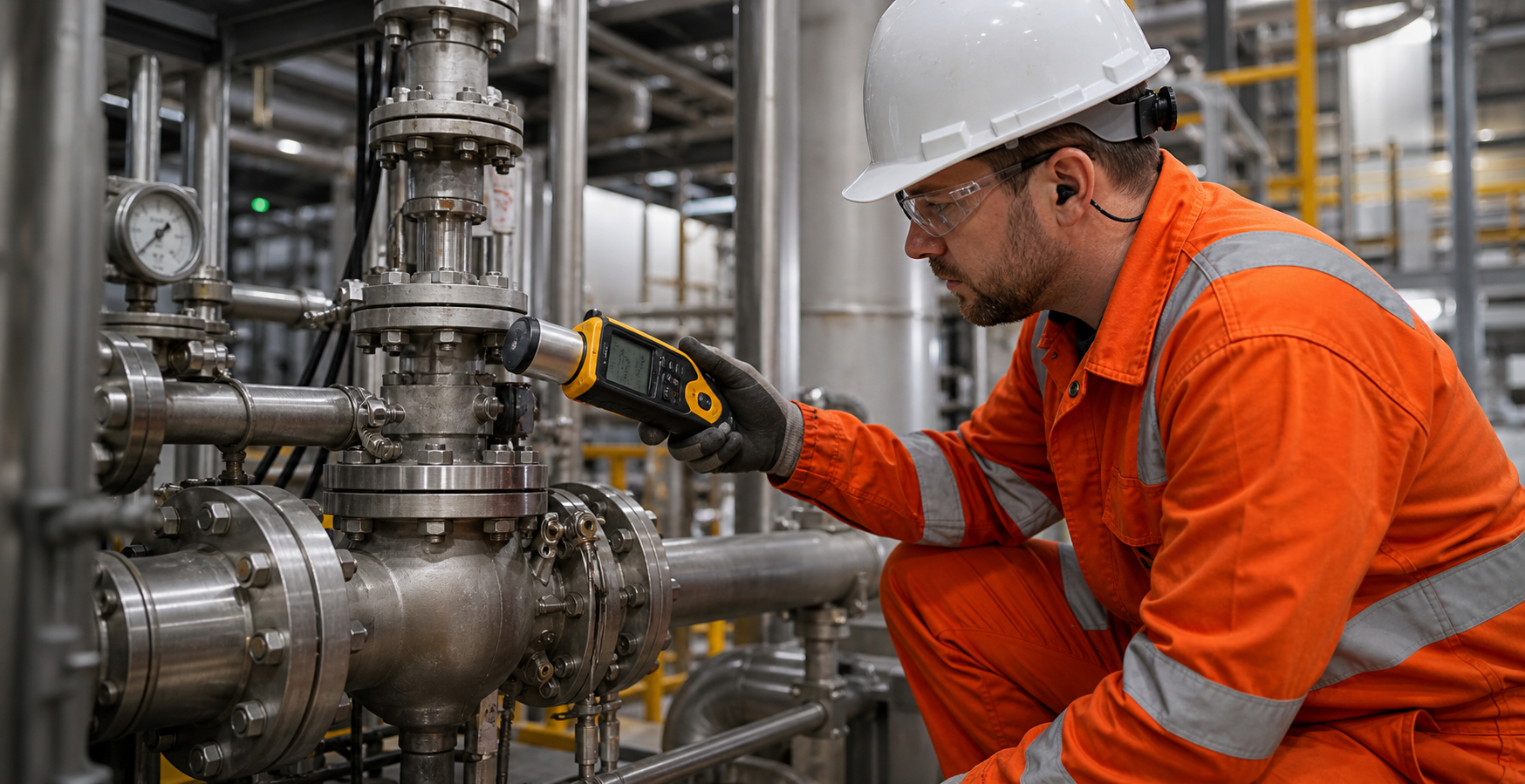
Used to detect gamma radiation being emitted from equipment or waste. This allows operators to verify the existence of NORM within process equipment for maintenance planning and verifies appropriate management of waste. All facilities within NORM-producing industries should have an initial gamma radiation screening survey completed to verify if NORM is present at their facilities or worksites.
Sensitivity
1 nSv/h - 100 mSv/h
Response Time
< 1 Second
Contamination Surveys
Used to detect the presence of alpha and beta radiation on equipment or work surfaces. Not all NORM isotopes emit detectable gamma radiation, such as Lead-210. Contamination surveys also verify whether contamination exists on personnel or equipment prior to removal from control areas.
- Smear testing protocols
- Direct surface probes
- Personnel clearance
GPS NORM Surveys
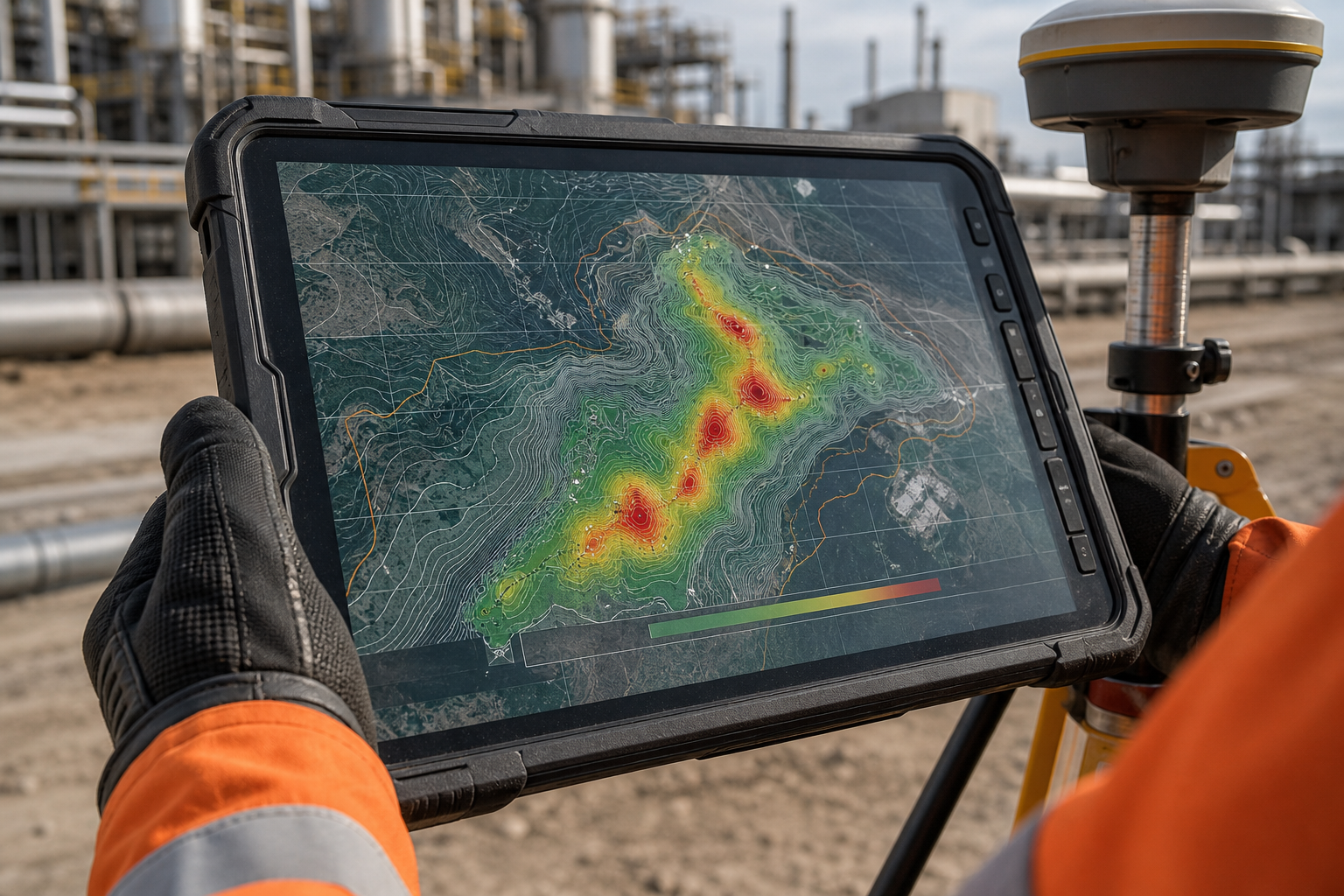
Used to verify contamination on sites and provide detailed assessments for planning and remediation. Integrating sub-meter GPS positioning with continuous radiation logging generates exhaustive, color-coded geospatial heat maps of NORM accumulation across land areas or plant footprints.
Request Sample Report open_in_newRadiation Surveys
Used to verify the exposure to workers. Dose estimates can be based off both external and internal exposure pathways. Radiation surveys are used to determine the NORM management classification of a worksite.
Swipe Tests
Used to verify removable surface contamination. Swipes are counted in particle counters to verify the presence of surface contamination in work areas or on equipment and tools — and to confirm contamination is not present in lunch rooms, offices and vehicles.
Low Level Radioactive Dust (LLRD) Monitoring
Completed using air monitoring pumps to verify air quality at a worksite. Sampling and analysis of airborne particulates supports safe breathing environments and informs respiratory protection requirements.
Provides exposure data of personnel in the event of respirator malfunction and verifies work areas that require controls.
Radon Gas Testing
Completed to verify levels of Radon gas at a worksite. Worksites with elevated levels of Radium-226 within buildings should conduct Radon gas testing to verify if additional radiation protection measures are necessary for worker protection.
Require an On-site Assessment?
Our certified radiation safety personnel are ready to deploy. Discuss your site's monitoring and survey requirements with our technical team.
Initiate Contact rocket_launch